

Uganda the Pearl of Africa is located in East Africa and has a varied equatorial climate with a population of over 46 million. The country is bordered to the east by Kenya, to the north by South Sudan, to the west by the Democratic Republic of the Congo, to the southwest by Rwanda, and the south by Tanzania. Its capital city is Kampala in the central region.
With its stunning natural beauty and diverse wildlife, Uganda is a must-visit destination in East Africa. There’s so much to see and discover more than just the beautiful and hospitable people, rich culture and history, like an encounter with the endangered Mountain Gorillas in Bwindi Impenetrable National Park, the big five in Murchison Falls National Park, Tree climbing lions in Ishasha sector of Queen Elizabeth National Park, hiking Mountain Rwenzori with the highest peak, water sport activities on River Nile and Lake Victoria and visiting several other of the 10 national parks each with its unique selling point.
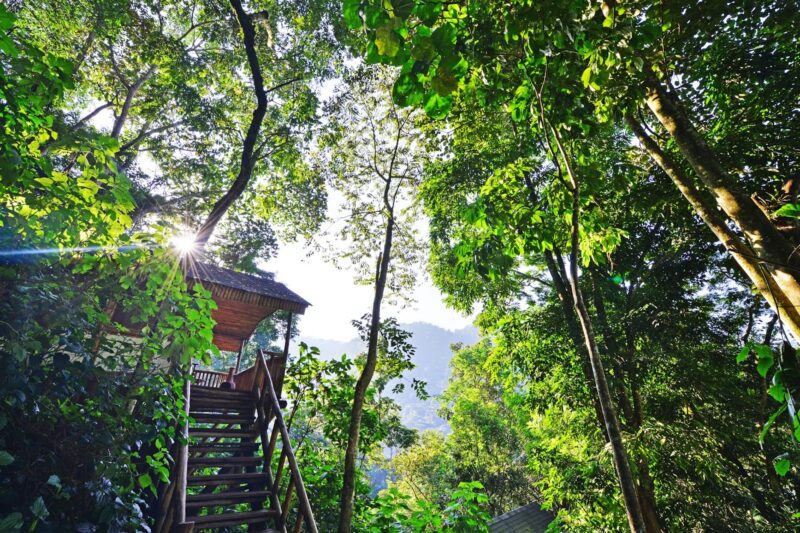
Bwindi Impenetrable National Park is located in southwestern Uganda on the edge of the Rift Valley covering a size of 32,000 hectares.
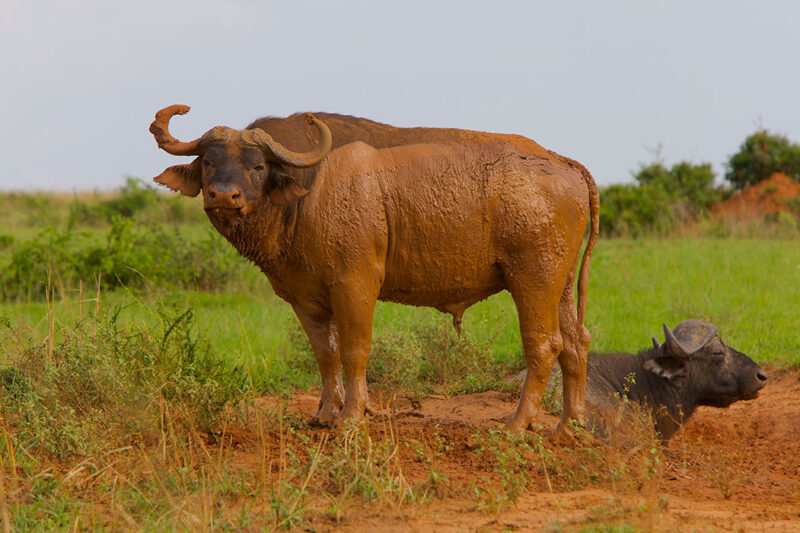
Murchison Falls National Park lies at the northern end of the Albertine Rift Valley, where the sweeping Bunyoro escarpment tumbles into a vast, palm-dotted savanna.
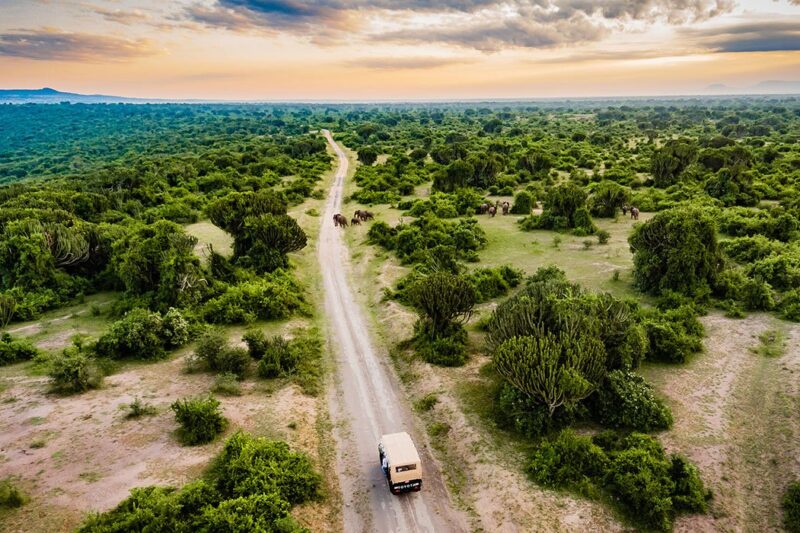
A medley of wonders – Queen Elizabeth National Park located in Western Uganda is the second biggest national Park covering 1,978 square kilometres and It’s the most visited Ugandan park.
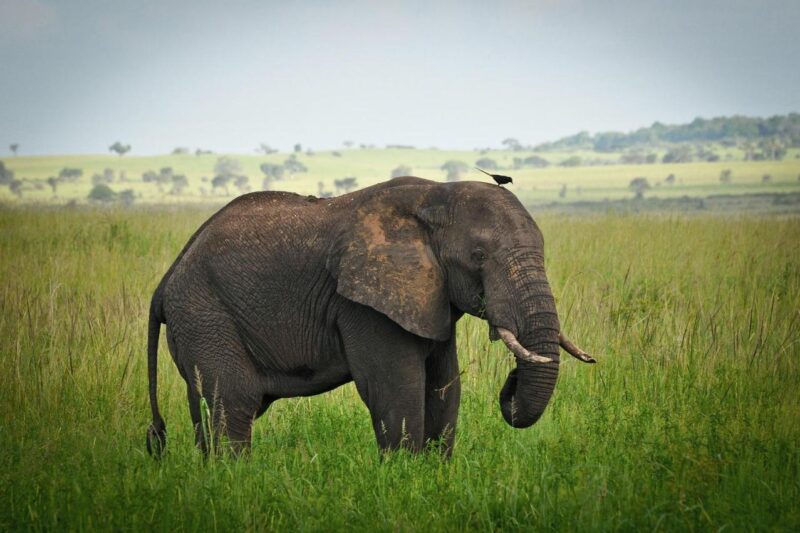
Kidepo Valley National Park is the most isolated Park in Uganda lying on the North-Eastern side approx. 700km from the capital city Kampala and 5km from the Eastern border of Kenya
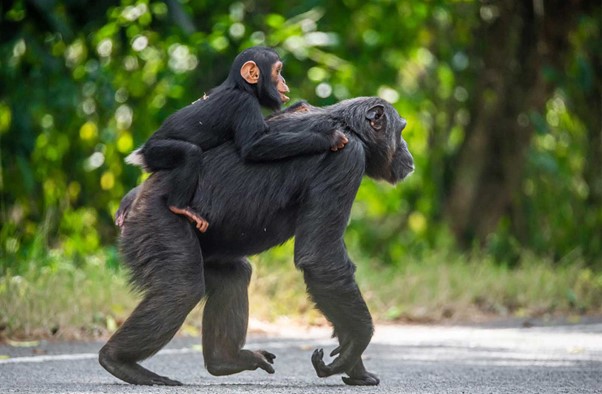
Kibale National Park is located in Western Uganda covering an area of 795 square kilometres and approx. 6 hours drive from the capital city.
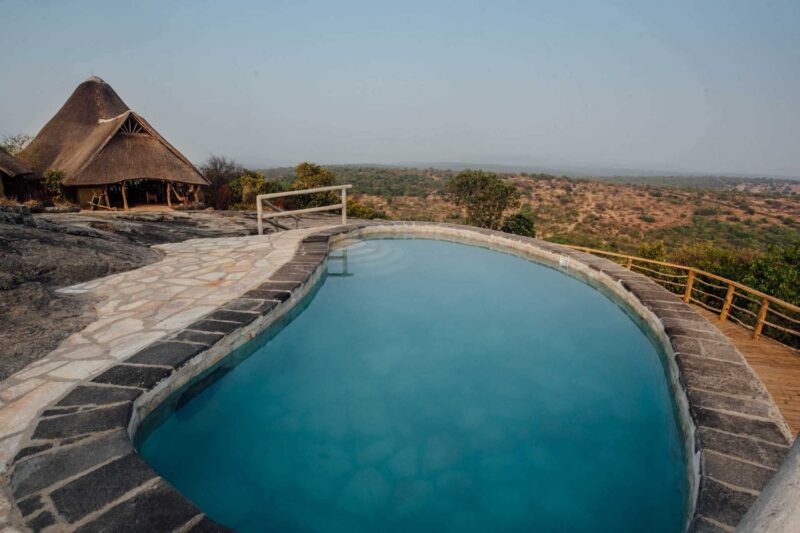
Of all the 10 Ugandan National Parks Lake Mburo is the most conveniently located close to the highway that connects Kampala to the parks of western Uganda in Kiruhura district approx.
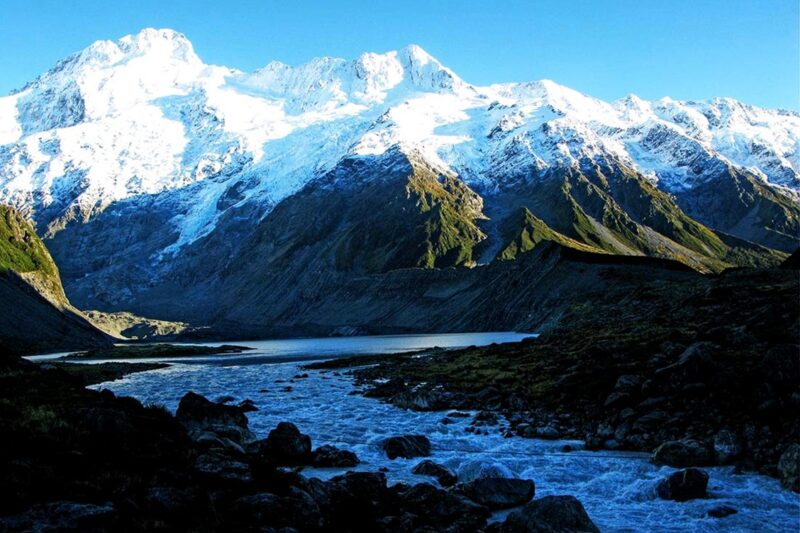
Rwenzori Mountain National Park was gazetted in 1991 and recognized as a World Heritage site by UNESCO in 1994 and a Ramsar site in 2008.
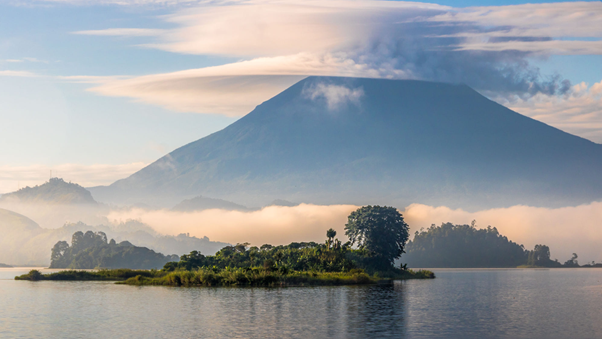
Mgahinga National Park is located in the South-Western part of Uganda and covers 33.7 square kilometres of land area which makes it Uganda’s smallest Park.
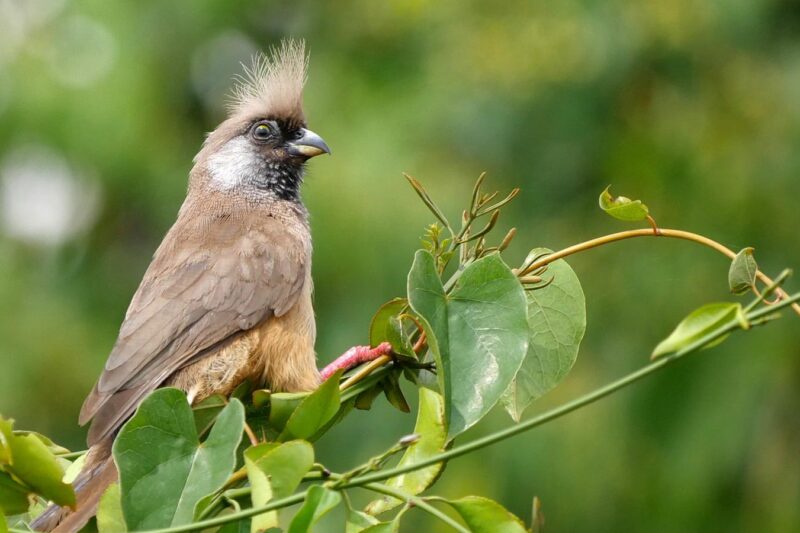
Semuliki National Park is situated in the Bundibugyo district and sprawls across the floor of the Semuliki Valley
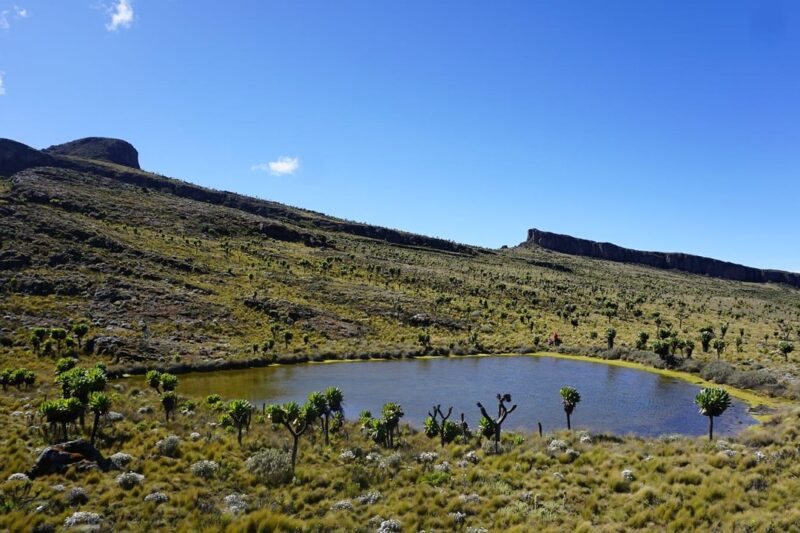
Mountain Elgon National Park lies in the Eastern part of Uganda on the Uganda-Kenya border